


ELECTIVES RESOURCES
Do what works.
Resources for People leaders responsible for supporting and developing employees.
Featured resources
Text Link.webp)
Electives team
Jun 23, 2026
Learner spotlight: What changes when a manager goes all-in on learning
Tyler Winn, Technical Support Engineering Manager at ActivTrak, shares how Electives Membership changed how he leads, communicates and develops his team.
Text Link.webp)
Electives team
May 26, 2026
How To Build an AI-First People Strategy
Most AI strategies stall because leaders lack real data about their people. How to build a clearer AI-first people strategy in under two weeks.
Text Link.webp)
Electives team
May 13, 2026
High engagement, low performance: What your surveys aren't tracking
Engagement surveys measure employee-to-company relationships but miss the peer connections that drive performance during change. Learn what to track instead.
Text Link.webp)
Electives team
Jun 15, 2026
Can Communication Skills Be Learned?
Your managers can communicate, just not for the job they have now. Why generic workshops fail and what modern manager training should look like.
Text Link
Electives team
Jul 1, 2026
Workplace holidays to celebrate in August
Plan August 2026 workplace holidays with DEI-focused dates, observance ideas and inclusion tips for HR, People and L&D leaders.
All resources
Electives for Everyone brings live, expert-led learning to every employee
Electives team
Oct 19, 2026
Electives for Everyone brings live, expert-led learning to every employee
We launched Electives for Everyone, giving every employee live, expert-led classes and AI simulations. See what it includes, why we built it and how to start.
In the News + Press Releases
7 best AI adoption strategies for enterprise teams
Electives team
Oct 15, 2026
7 best AI adoption strategies for enterprise teams
Discover 7 enterprise AI adoption strategies to prepare managers, clarify policy, build AI fluency and measure behavior change.
AI Upskilling
What is the best way to learn AI skills at work?
Electives team
Oct 8, 2026
What is the best way to learn AI skills at work?
Learn AI skills at work with a practical 5-step plan. Practice on real tasks, check output, get feedback and track progress in 30 days.
AI Upskilling
AI Skills in demand in 2026 and how to build them at work.jpeg)
Electives team
Oct 7, 2026
AI Skills in demand in 2026 and how to build them at work
Which AI skills matter most in 2026? Learn the six capabilities every team needs and how HR and L&D leaders can build them through practice.
AI Upskilling
People Developing People: Don't get quiet, get curious%20(2).png)
Jason Lavender
Oct 7, 2026
People Developing People: Don't get quiet, get curious
DraftKings' Senior Director of Talent Development on why there's never been a better time to be in learning
People Leader Interviews
Enterprise AI adoption: How to drive it across every team.jpeg)
Electives team
Oct 6, 2026
Enterprise AI adoption: How to drive it across every team
Enterprise AI adoption stalls when only a few power users change how they work. Learn how to drive AI adoption across every team and measure behavior change.
AI Upskilling
Workplace holidays to celebrate in November
Electives team
Oct 1, 2026
Workplace holidays to celebrate in November
Plan November 2026 workplace holidays and observances with dates, inclusive celebration ideas and an annual calendar for HR and People teams.
Culture + Collaboration Resources
Best AI solutions for corporate training
Electives team
Sep 29, 2026
Best AI solutions for corporate training
Compare 10 corporate AI training providers for 2026 across live learning, simulations, content libraries, measurement, scale and behavior change.
AI Upskilling
Boosting productivity by celebrating National Inbox Zero Day.jpeg)
Electives team
Sep 21, 2026
Boosting productivity by celebrating National Inbox Zero Day
National Inbox Zero Day is October 6. Help teams reduce email clutter, improve focus and build better communication habits.
Communication Skills Resources for HR
What is National Disability Employment Awareness Month?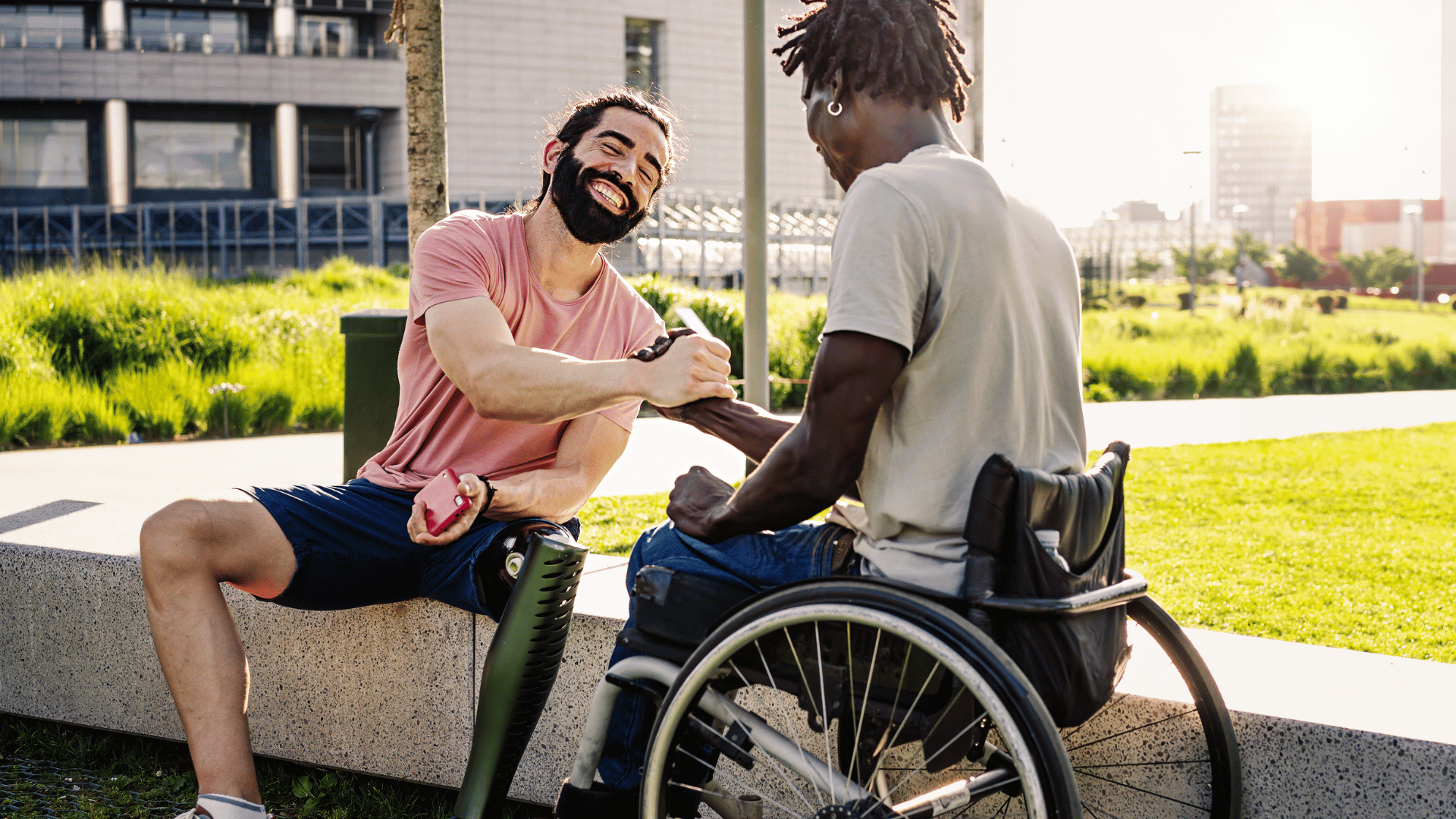
Electives team
Sep 8, 2026
What is National Disability Employment Awareness Month?
NDEAM runs every October. What National Disability Employment Awareness Month is, and how HR teams can build genuinely inclusive employment practices.
Culture + Collaboration Resources
What is Indigenous Peoples’ Day?
Electives team
Sep 4, 2026
What is Indigenous Peoples’ Day?
Learn what Indigenous Peoples’ Day means, when it falls in 2026 and how HR and People leaders can recognize it thoughtfully at work.
Culture + Collaboration Resources
Workplace holidays to celebrate in October
Electives team
Sep 1, 2026
Workplace holidays to celebrate in October
Plan October 2026 workplace holidays with inclusive observances, celebration ideas and a month-by-month holiday calendar from Electives.
Culture + Collaboration Resources